
ATTRACTION TYPE: Sacral monuments and pilgrimage sites
ATTRACTION INFORMATION
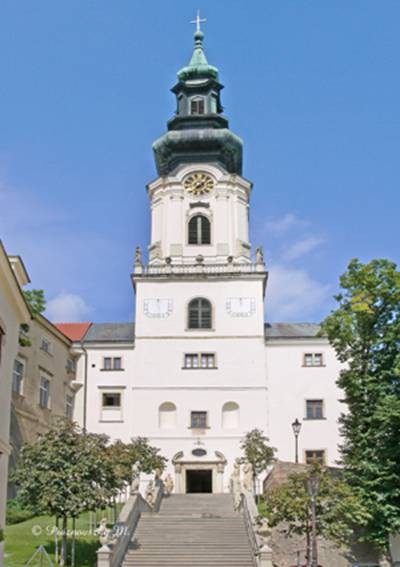
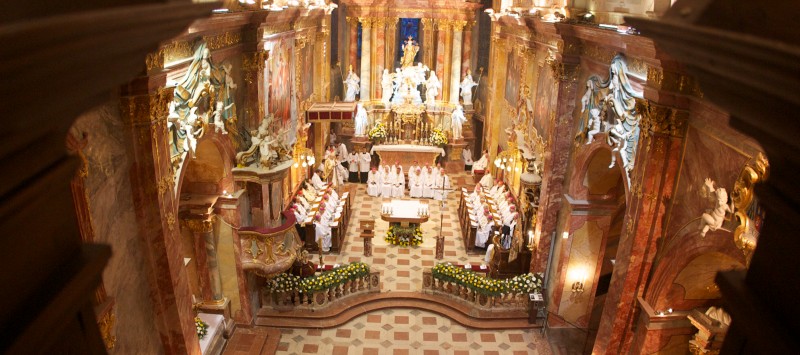
St. Emmeram's Cathedral bears Romanesque style. It has a horseshoe-shaped Romanian apse, separated from the square nave by a triumphal arch. The original building was damaged and later shortened in 1328 as space was needed to build the support columns of the Upper Church. After the construction of the Gothic church, part of the church was used as an archive. After a fire raging in the church in 1465, the Romanesque part of the castle church was erected and then covered with a rib vault. The current reconstruction of the current church interior took place in 1930-31.
Of great value is the silver-crafted coffin from 1674, the patron saints of the church (with the bones of St. Sorrad and St. Benedict), and the sculpture (relief) found during the 1930 renovation depicting the figure of a seated donor on a scaled-down copy of the church. sitting. It is aptly named "Donor Relief".
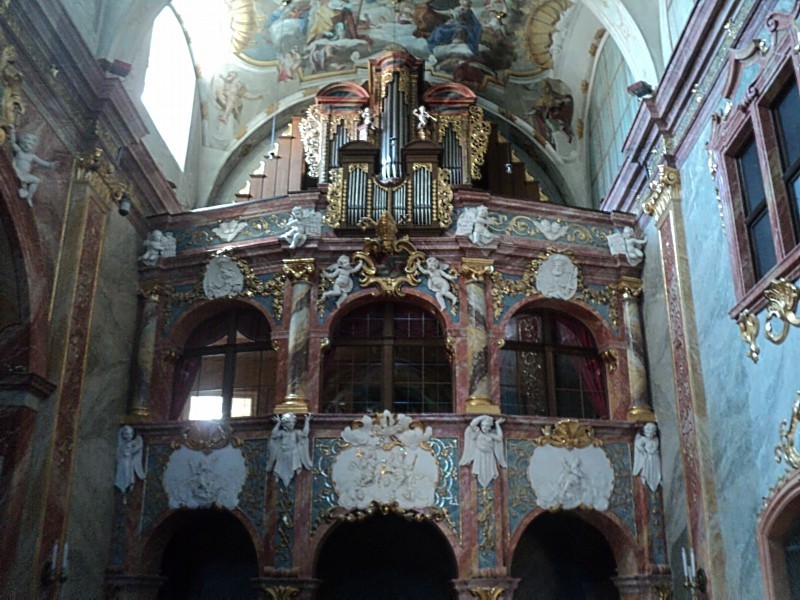
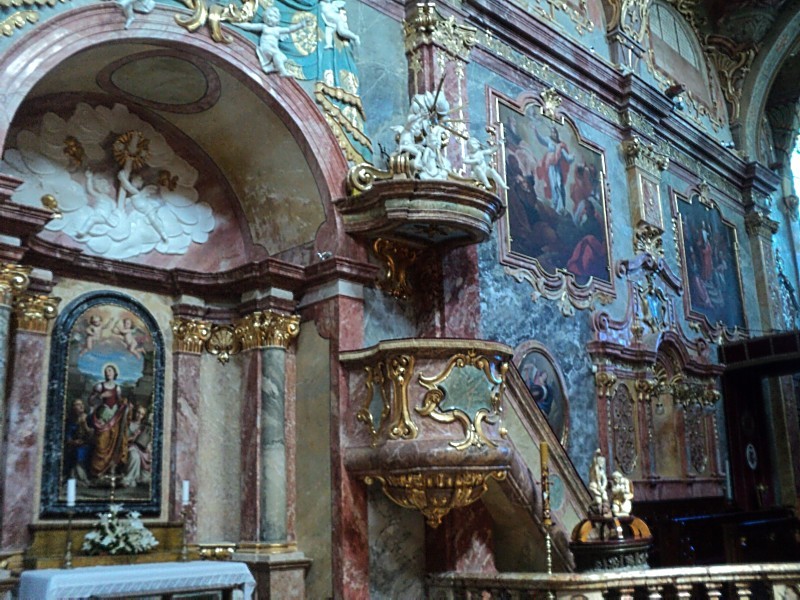
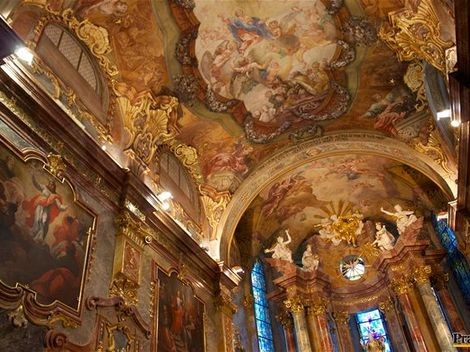
The single-nave Gothic Upper Church was built on the highest point of the underlying rocky ridge between 1333-1355. Until the 18th century. until the beginning it retained its characteristic Gothic style features. When the Lower Church was added, the Upper Church was partially modified and the style features of the 2 churches were also changed. It was then that the Baroque-style St. Barbara's Chapel was built next to the church. In the chapel you can admire frescoes and paintings by Galliarti, an Italian painter of Italian origin. The most valuable monument of the Upper Church is the columned main altar depicting the Savior, which was consecrated in 1732. In the nave is the renaissance baptismal font from 1643, the work of master Márton Weigel from Banská Bystrica. The organ was placed in the Upper Church in 1933 on the occasion of the Cyril and Methodius celebrations. The work of organ maker Otakár Vážanský.
The Lower Church is the youngest part of the cathedral. It was built between 1621-1642, when the castle was occupied by the armies of Gábor Bethlen. The most beautiful part of the interior of the church is the altar from 1662. Its central theme is “The lifting of Christ from the cross”. The relief is the work of the Austrian sculptor Jan Pernegger. Below the main relief is another marble relief with the theme of “The Burial of Christ”. The three late 18th century baroque altars as well as the three bishops of Nitra from the 15th to the 16th century are also extremely valuable. century tomb. The entrance to the Lower Church is also the entrance to the cathedral. The church tower and the 2-storey sacristy were added to the southern façade in 1642. Valuable liturgical objects are preserved in the sacristy (e.g., late Gothic, Baroque and Classicist chalices, Baroque sacristy from 1692, Baroque incense from 1775). There are also several crypts in the castle of Nitra, e.g. the crypt under the sanctuary, built by Bishop Ádám László Erdődy of Nitra between 1706 and 1736 for bishops and canons. The first bishop buried here was Bishop John Gustinyi (Zubrohlavsky). Other bishops buried here are: József Kluch, József Vurum, Imre Palugyay, Ágoston Roskoványi, Imre Bende, Karol Kmeťko, Edvárd Nécsey and finally in 1988 János Pásztor.


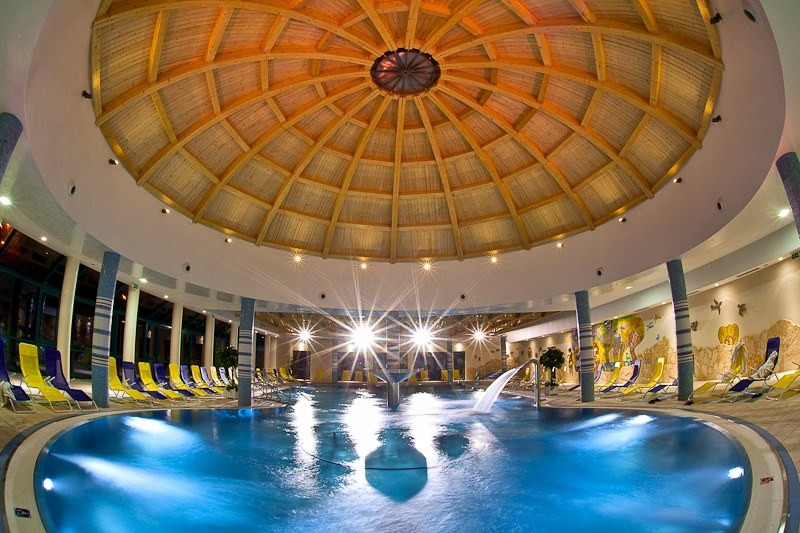
Health Spa Bardejov
Spa Bardejov, located in the northeast of Slovakia in Saris region, lies in beautiful nature. You can find it north of the historic town of Bardejov, while from its...
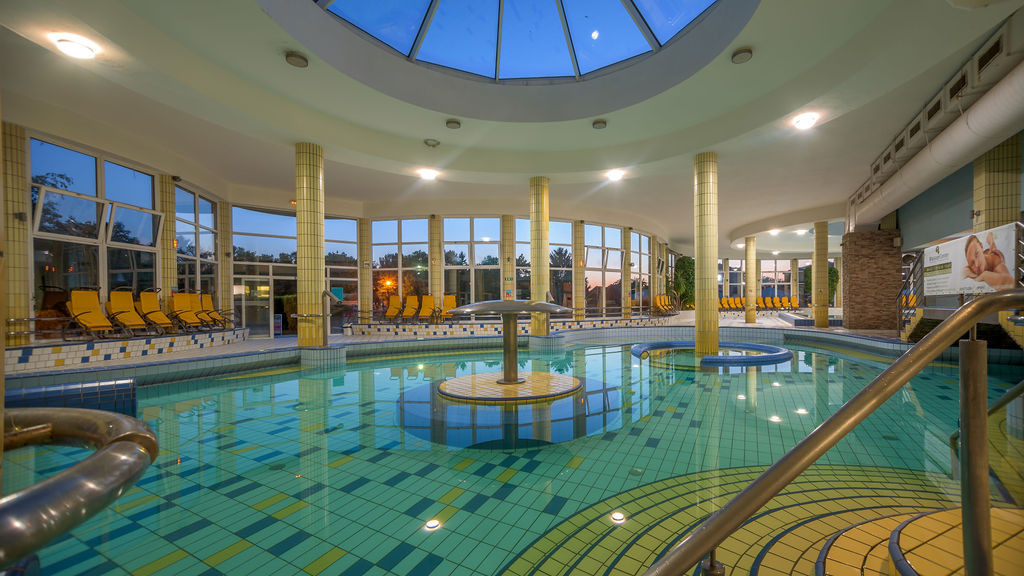
THERMALPARK DUNAJSKÁ STREDA
THERMALPARK in Dunajská Streda belongs among the most popular and the most visited recreational resorts of the Rye Island. The healing thermal water, a park, a lakelet, pools, a...
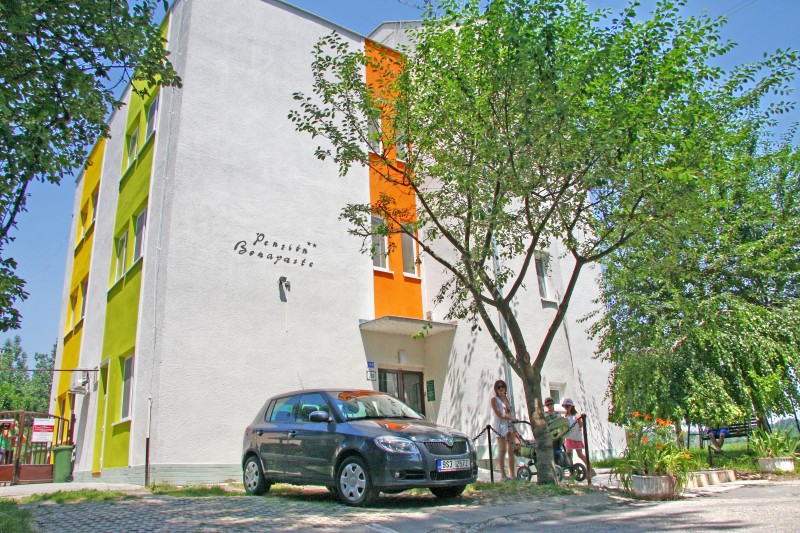
BONAPARTE a KORZIKA Guesthouse
Guest Houses Bonaparte ** and Korzika** are located in southern Slovakia, 15 km from Komarno, in the area of the thermal spa Patince. In the resort there are sport pool,...
Get news and tips about holidays in Slovakia by e-mail
Subscribe to our newsletter and receive regular updates on news and special offers for stays in Slovakia.