
PAJSTUN CASTLE
ATTRACTION TYPE: Ruins of castles and forts
ATTRACTION INFORMATION
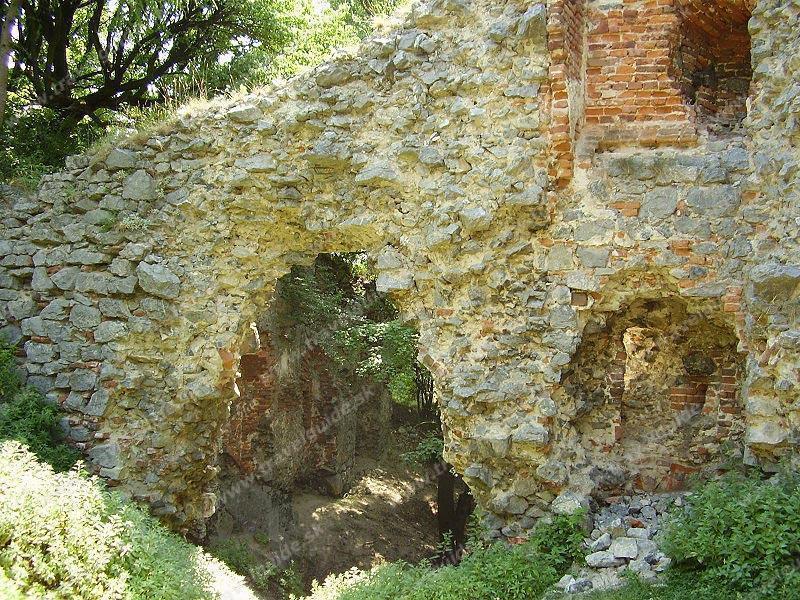
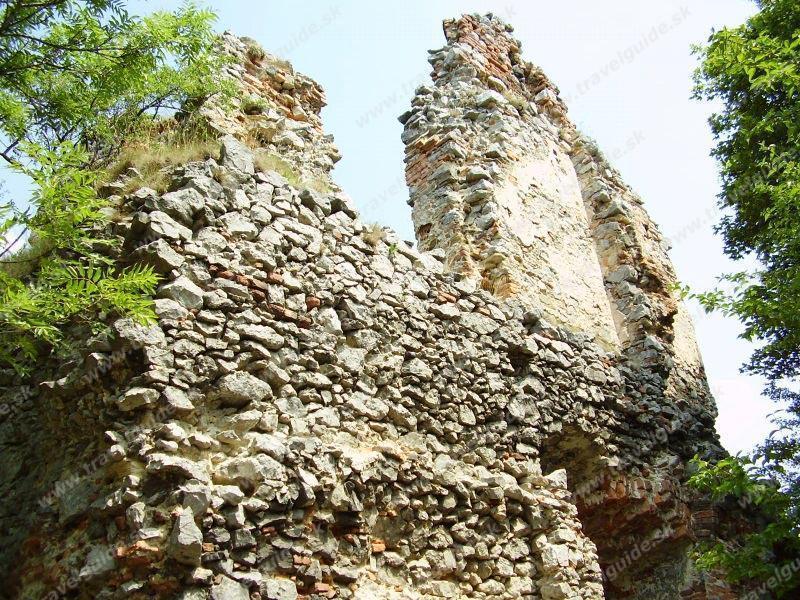
The Pajstun castle belongs in the system of border castles that took over, since the 13th century, the function of protection of the north-western borders of the Ugrian state in the Small Carpathians. The beginnings of the royal castle date back to the second half of the 13th century. It has been documented since 1273. The oldest owners used to have a shared lordship with Stupava where they returned in a later stage. Since the 14th century it belonged to counts from Svätý Jur and Pezinok continuously, up to the year 1526 when the family died out and the property got into the ownership of the Serénys and later of the Salmovs. Between 1592 and 1863 it belonged to the Pálffys, later to the Károlys. The castle burned down in the middle of the 18th century; partially it has been repaired and used later on. Since 1809 when it was demolished by Napoleon armies, it has been lying in ruins.
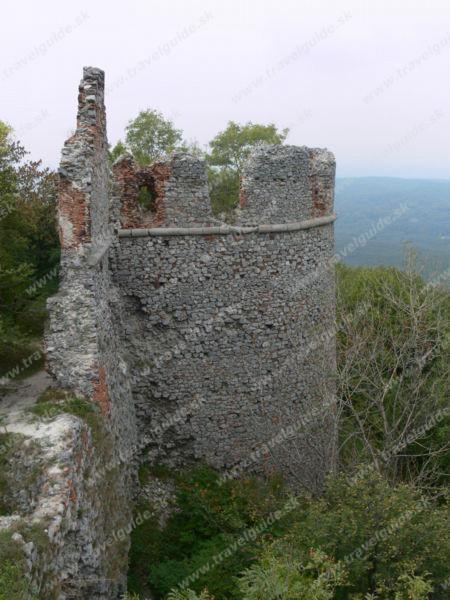
The medieval castle, from which only the remains of the walling have been preserved, has been substantially rebuilt in the era of Renaissance. From the 16th century comes the for its time modern Renaissance fortification that used to lean against a massive roundel, on which it was possible to place cannons. The fortification was ready by 1550; it has been improved in the course of the 17th century by the Pálffys who finished the basic rebuilding of the castle and its extension in the 1619. Even larger changes took place during construction works in the middle of the 17th century when the residential buildings were newly rebuilt and other external fortification was built.
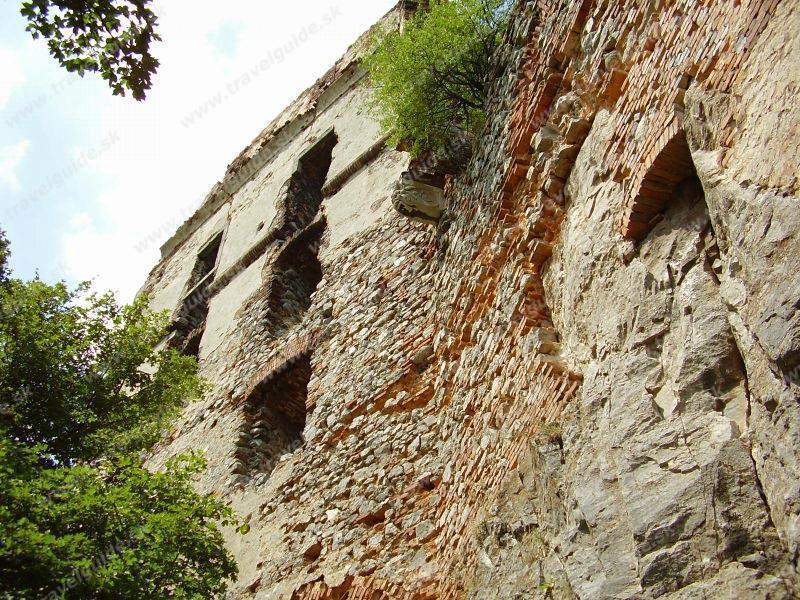
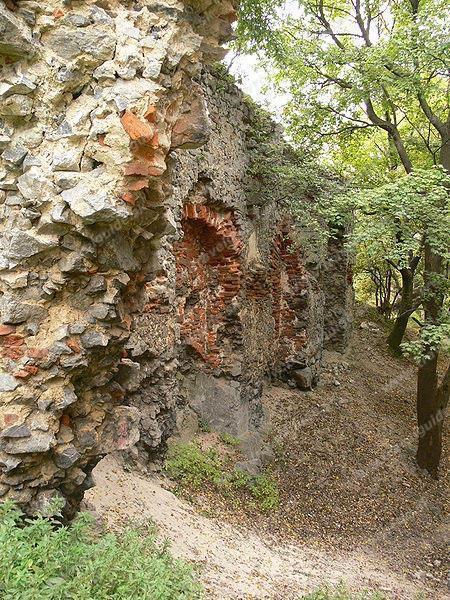
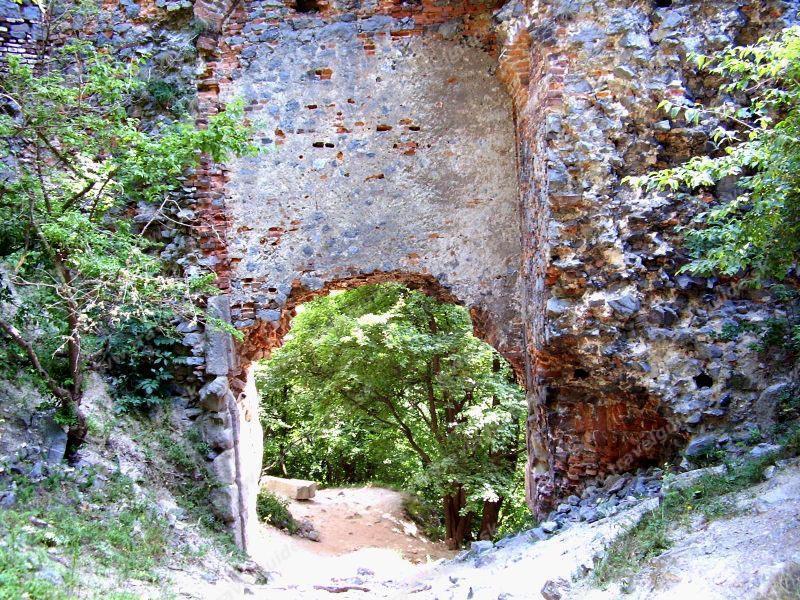
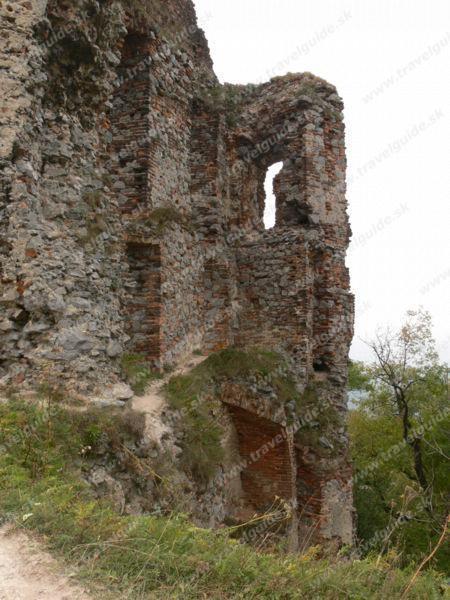
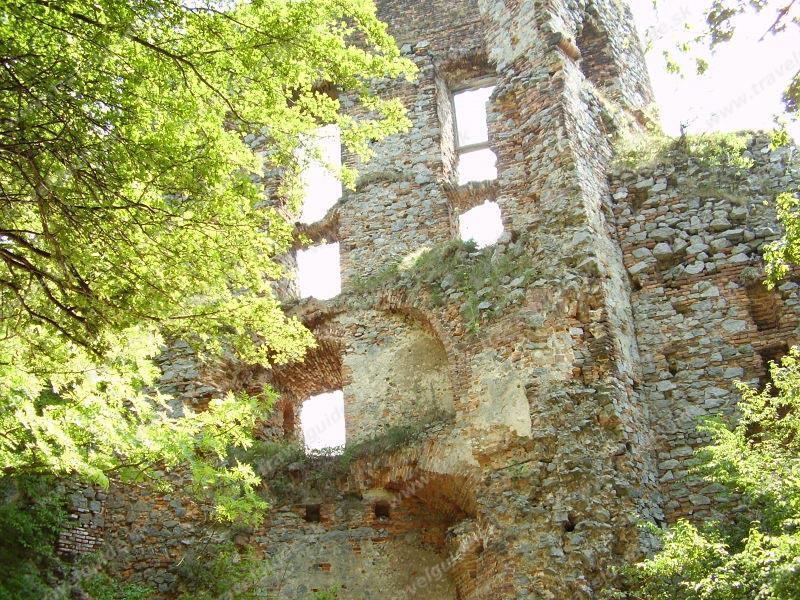
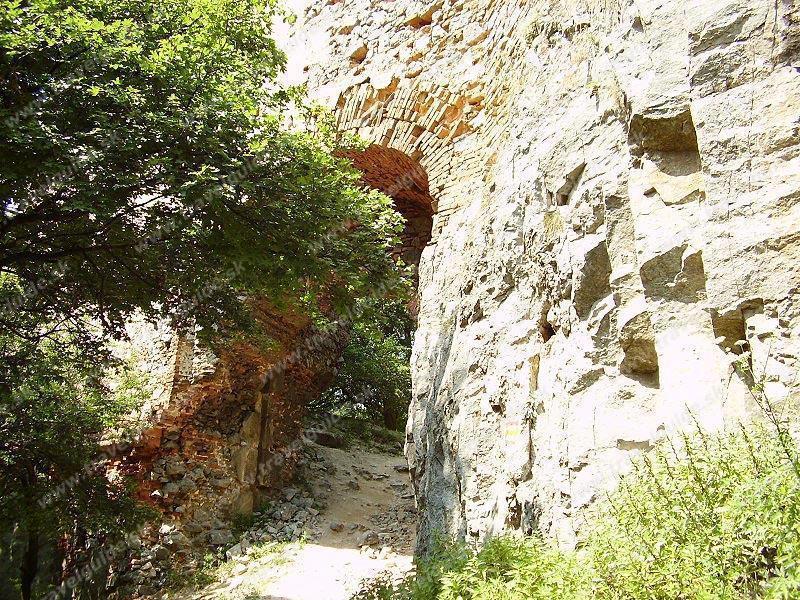
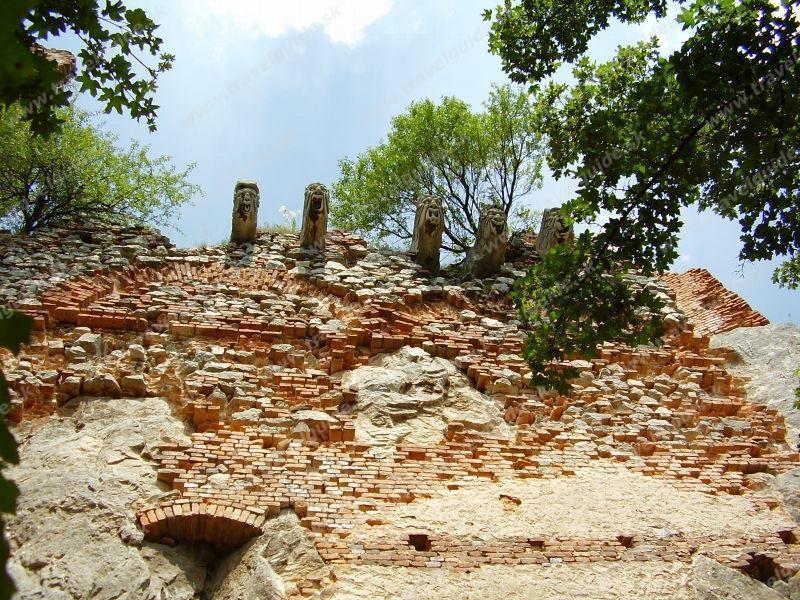
The castle buildings have been preserved in fragments around the central courtyard, the area of which is covered by damaged walling ramble. The external walling of the palaces and fortifications built into the massive of the castle cliff is the most compact, with preserved holes of the windows, bays, entrances, with safety arches and vault traces in the walling. The most impressive are the cantilevers of the former courtyard gallery above the entrance with late-Renaissance decoration in form of macaroons from 1619 that, thanks to their variousness, document the requirements of the builder for architecture and its artistic design.
Source: wikipedia.org


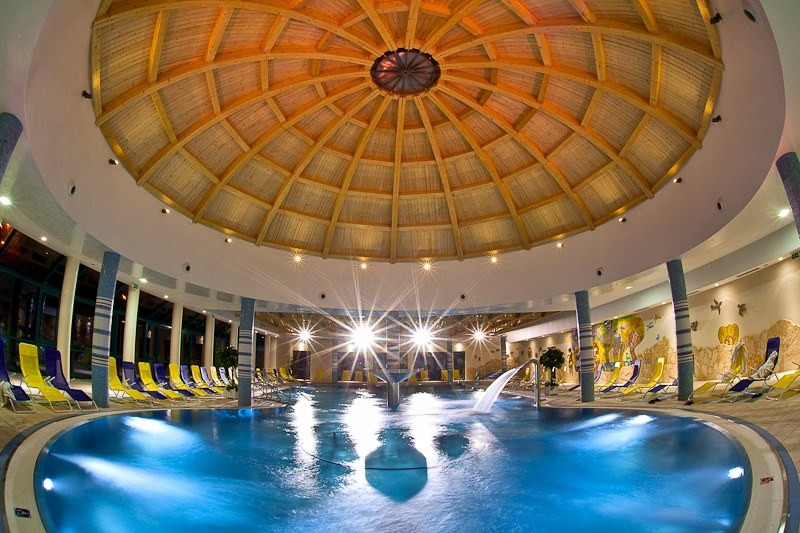
Health Spa Bardejov
Spa Bardejov, located in the northeast of Slovakia in Saris region, lies in beautiful nature. You can find it north of the historic town of Bardejov, while from its...
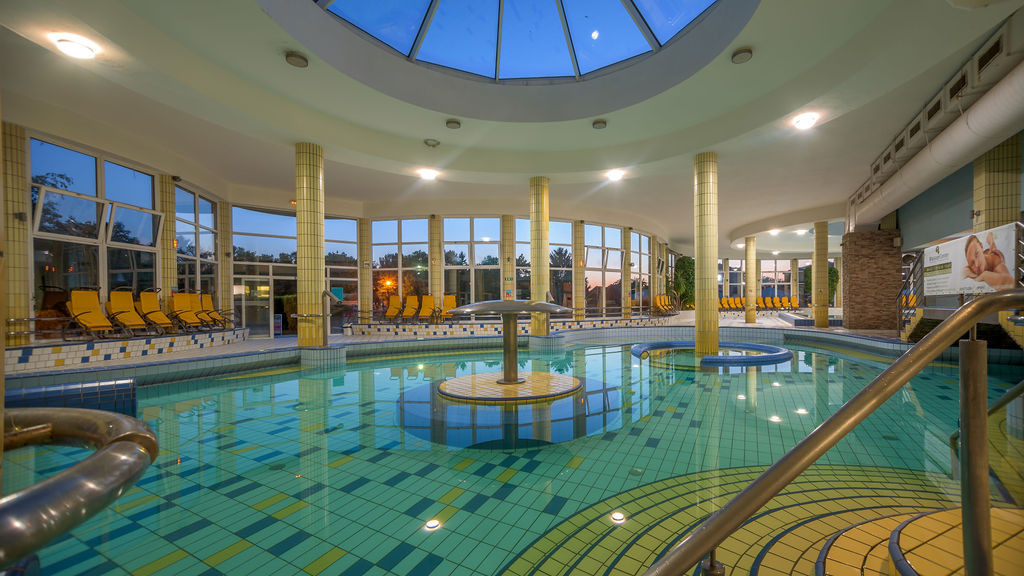
THERMALPARK DUNAJSKÁ STREDA
THERMALPARK in Dunajská Streda belongs among the most popular and the most visited recreational resorts of the Rye Island. The healing thermal water, a park, a lakelet, pools, a...
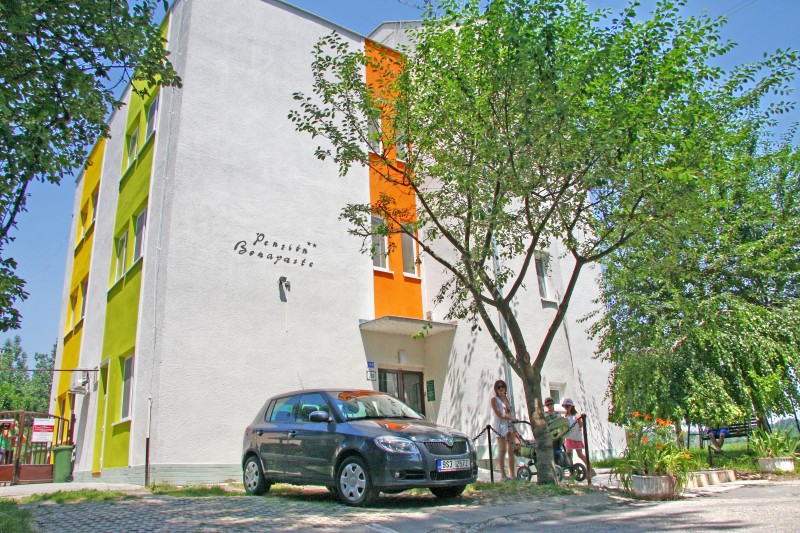
BONAPARTE a KORZIKA Guesthouse
Guest Houses Bonaparte ** and Korzika** are located in southern Slovakia, 15 km from Komarno, in the area of the thermal spa Patince. In the resort there are sport pool,...
Get news and tips about holidays in Slovakia by e-mail
Subscribe to our newsletter and receive regular updates on news and special offers for stays in Slovakia.